







SIBO means there are more bacteria living in your small intestine than belong there. Typical signs are bloating after meals, cramps, and stool that keeps changing. The diagnosis is contested among specialists.
“Everyone gets bloated sometimes.” True. Which is why a belly that has been tight every evening for months ends up filed under “sensitive stomach” – and stays there, instead of being looked at properly once.
The large intestine is densely populated, and that's how it should be. The small intestine, by contrast, holds relatively few bacteria, because stomach acid, bile, and the gut's own movement keep clearing it out. When that clearing slows down, bacteria settle where they would go unnoticed further down.
These bacteria ferment carbohydrates while they are still in the small intestine. Gas forms – earlier than intended, and in the wrong place. Hence the pattern: a flat belly in the morning that swells over the course of the day, often after bread, onions, legumes, or lactose. Cramps can come with it, along with diarrhea, constipation, or an alternation between the two.
SIBO rarely appears out of nowhere. Usually something behind it is slowing the gut down: a past gastrointestinal infection, adhesions after surgery, certain underlying conditions, sometimes medication. It is typically measured with a breath test that looks for hydrogen and methane in exhaled air. That test is considered imprecise: it misses cases, and it flags people who do not have SIBO. Part of the gastroenterology field therefore considers the diagnosis too readily given.
“Almost everyone with IBS has SIBO.”
Unclear. The overlap is real, but the numbers vary enormously depending on the test method.
“You can tell by the bloating.”
No. Bloating has many causes. It is a clue, not proof.
“The right diet sorts it out on its own.”
Usually not. Changing what you eat can ease symptoms, but it does not remove what is causing them.
“Only antibiotics help.”
Not across the board. What makes sense depends on the findings – and belongs in a doctor's hands.
SIBO is not a diagnosis you give yourself, and not one you rule out online. If your belly has been tight every evening for months, have it investigated by a gastroenterologist – if only to rule other causes out.

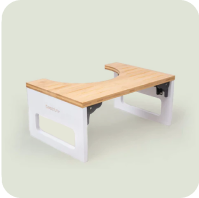
From butt shower to toilet stool – discover our versatile range for the New Normal in your bathroom. No taboos, just a whole lot of comfort.
One word usually does it. Or just tap something below.
Popular Quick answersOne word usually does it. Or just tap something below.
Popular Quick answers