









Because “clean” is often meant aggressively. The body needs appropriate cleaning, not maximization.
Cleanliness is understood as an end state. No odor, no moisture, no traces. Intimate hygiene is supposed to deliver results, not maintain a function. Products promise freshness, control, and neutralization. Irritation is accepted as a necessary price.
The intimate area isn’t a smooth surface. Skin, mucous membrane, and bacteria work together. Cleaning too aggressively strips away protection, dries out tissue, and destabilizes the balance. That creates exactly the problems “more cleanliness” is supposed to prevent: itching, burning, susceptibility to infection. The problem isn’t hygiene, but the wrong goal.
“You have to be especially thorough.”
Thoroughness without care harms the structure.
“Fresh means healthy.”
Freshness is a concept about smell, not a state of the body.
“If it burns, it was necessary.”
Burning is a warning signal.
“Products are made for this.”
Products are no substitute for understanding your anatomy.
Intimate hygiene fails when it confuses cleanliness with control. Function comes from preservation, not from removal.

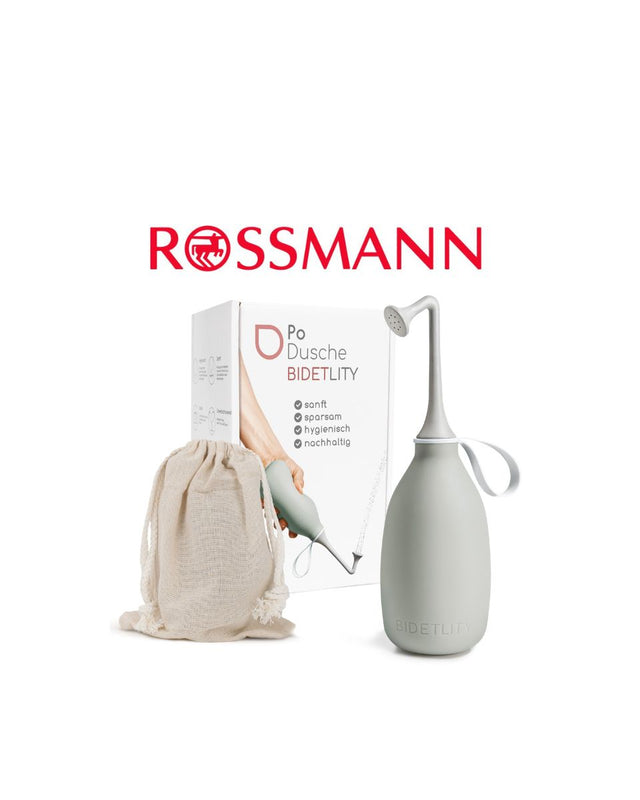
From butt shower to toilet stool – discover our versatile range for the New Normal in your bathroom. No taboos, just a whole lot of comfort.
One word usually does it. Or just tap something below.
Popular Quick answersOne word usually does it. Or just tap something below.
Popular Quick answers