







The pelvic floor carried extra weight for nine months and, with a vaginal birth, was stretched hard. It largely recovers on its own, but it needs rest first and targeted training later. Straining has no place in either phase – not on the toilet either.
That after giving birth, the main job is getting your stomach “back.” The pelvic floor doesn't feature in that picture – until something leaks when you sneeze, laugh, or jump.
What the pelvic floor is. Several layers of muscle at the bottom of the pelvis. They support the bladder, uterus, and bowel and keep the exits closed until you deliberately open them.
What happened to it. During pregnancy it carries extra weight for months. A vaginal birth stretches it hard. So even after a C-section it has been under strain – it still carried the pregnancy.
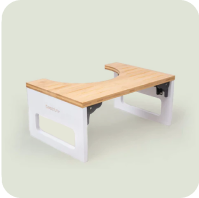
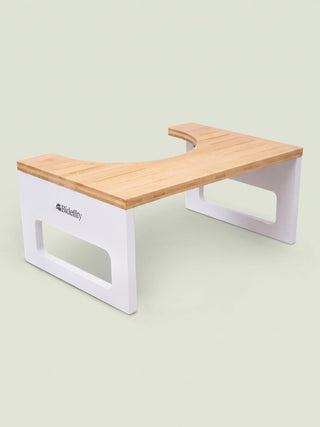
The first weeks: rest. No heavy lifting, plenty of lying down, and avoid anything that pushes downward. That includes straining on the toilet. It helps to keep your stool soft and to raise your feet a little on the toilet so the bowel empties more easily. Gentle awareness exercises are often possible early on – ideally agreed with your midwife.
After that: train. A postnatal recovery class usually starts a few weeks after birth. In Germany, statutory health insurance covers the cost if the class takes place within the first months after birth. Your midwife will know which classes are offered nearby.
When to see a doctor: if, months after birth, you still leak urine or stool without meaning to, or if you feel pressure or a sense of something pushing down. There are gynecological consultations and physiotherapy specializing in the pelvic floor for exactly that.
“After a C-section, the pelvic floor isn't affected.”
It is. The pregnancy still put it under strain.
“A bit of incontinence just comes with having a baby.”
It's common in the first weeks. You don't have to accept it long term – it's very treatable.
“The earlier you train hard, the better.”
No. Rest first, then train. Too much too soon can do harm.
“Pelvic floor training means clenching your buttocks.”
No. It's about the inner muscles, which you can barely feel at first. That's exactly why guidance is worth it.
Rest first, then training – and no downward pressure in either phase. The toilet is the place where you strain most often without noticing.

Discover our products and do the best business of your life.
One word usually does it. Or just tap something below.
Popular Quick answersOne word usually does it. Or just tap something below.
Popular Quick answers