



Cleansing rituals with water exist in many religions: bathing in the holy Ganges in Hinduism, the Jewish immersion bath known as the mikveh, Christian baptism, ritual ablution before prayer in Islam. There, water cleanses both body and soul.
Cleansing rituals with water are older than any bathroom. In many religions, they're about more than just being clean.
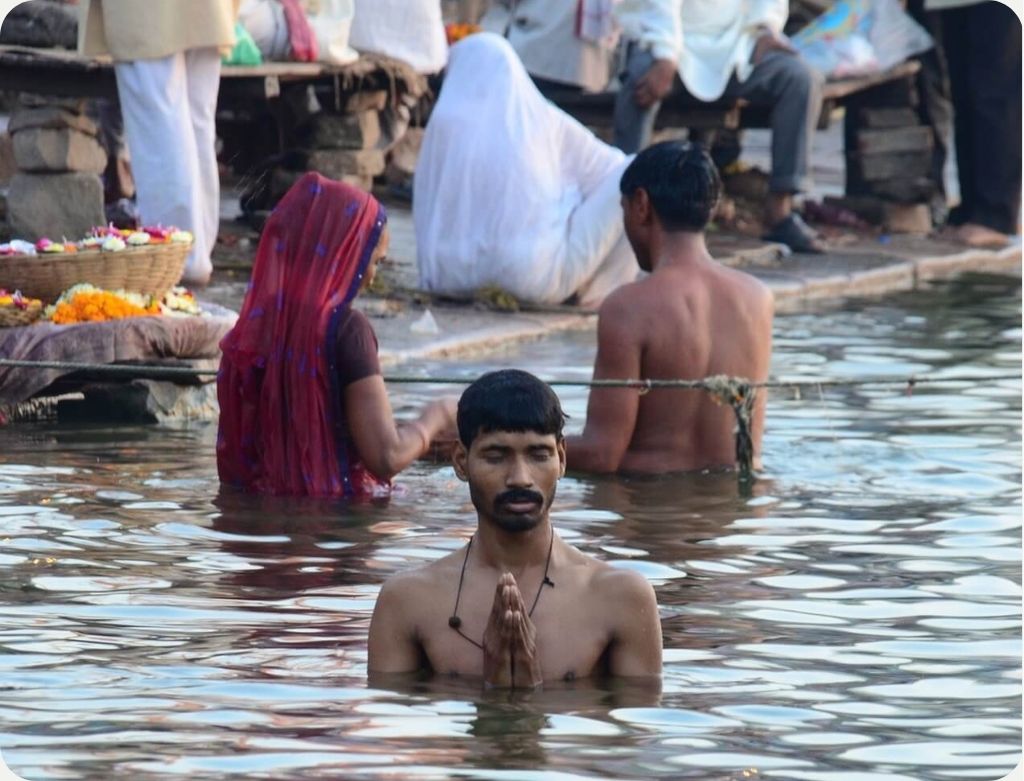
In many cultures and religions, water carries great significance as a means of cleansing. It matters not only for physical hygiene, but also for spiritual purification. Many believers perform rituals to cleanse their souls of sin and negativity.
Hinduism: Bathing in the Sacred Ganges
In Hinduism, for example, bathing in the Ganges is an important cleansing practice. Believers bathe in the river to free their souls from sin and complete their spiritual purification.
Judaism: The Ritual of the Mikveh
In Judaism, there is the mikveh, a ritual immersion bath – for instance after menstruation, before a wedding, or when converting to Judaism. The body has already been physically cleansed before immersion; the bath itself is not a wash, but serves ritual purity.
Christianity: Baptism as a Symbol of Cleansing
In Christianity, there is the sacrament of baptism, in which water is used as a symbol for the cleansing of sins.
Indigenous Cultures: Sweat Rituals for Purification
In many Indigenous cultures, water is used in cleansing rituals to purify both body and soul. Among various Indigenous peoples of North America, the sweat lodge is a spiritual purification ceremony.
Islam: Ritual Purity in Everyday Life
In Islam, purity is a central part of the faith. Muslims perform ritual ablutions before prayer every day.
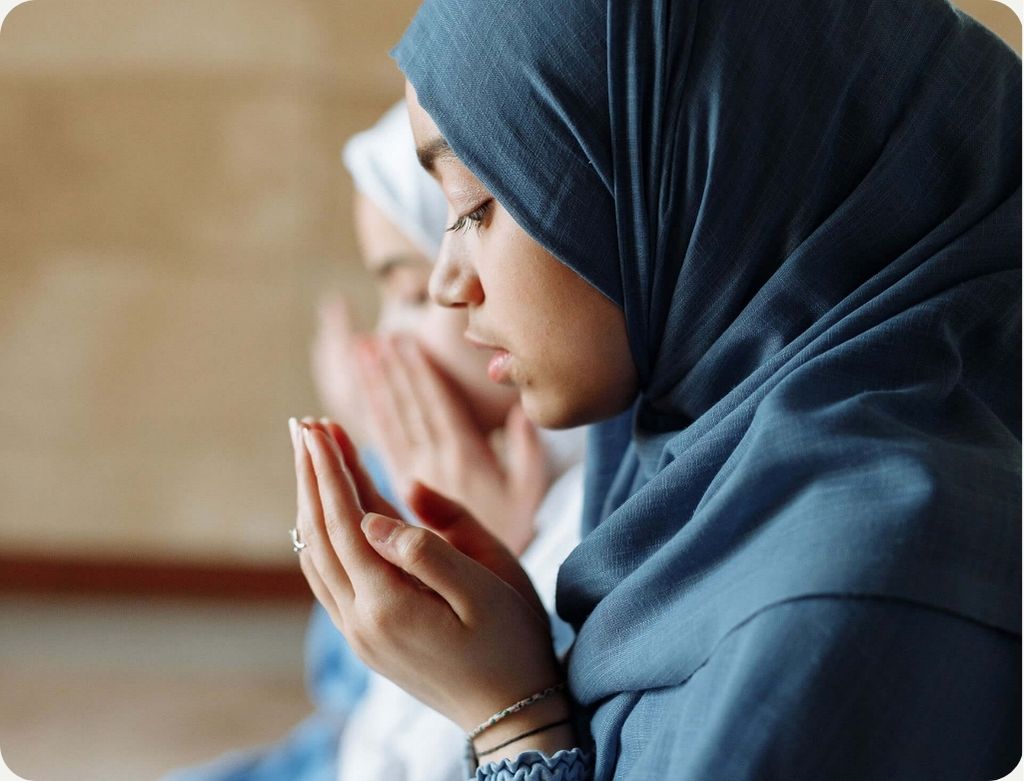
"Allah loves those who turn to Him in repentance, and He loves those who keep themselves pure." [9:108]
Did you know that it's part of every Muslim's fundamental purity to perform a washing after every trip to the toilet, ideally with water?
Did you know that this isn't only about the general prayer ablution [Wûdu], but about fundamental purity as a whole?
In practice, this means that whenever something leaves the body's natural excretory organs, a Muslim has lost the state of purity.
One narration says:
(…..) Anas Ibn Malik(r) reported:
"Whenever the Prophet(sas) went out to relieve himself, I would follow him(sas) together with a boy, and each of us carried a small waterskin."
So we see that, despite the variety of cleansing methods, cleansing with water is the preferred one, because it removes every trace of impurity.
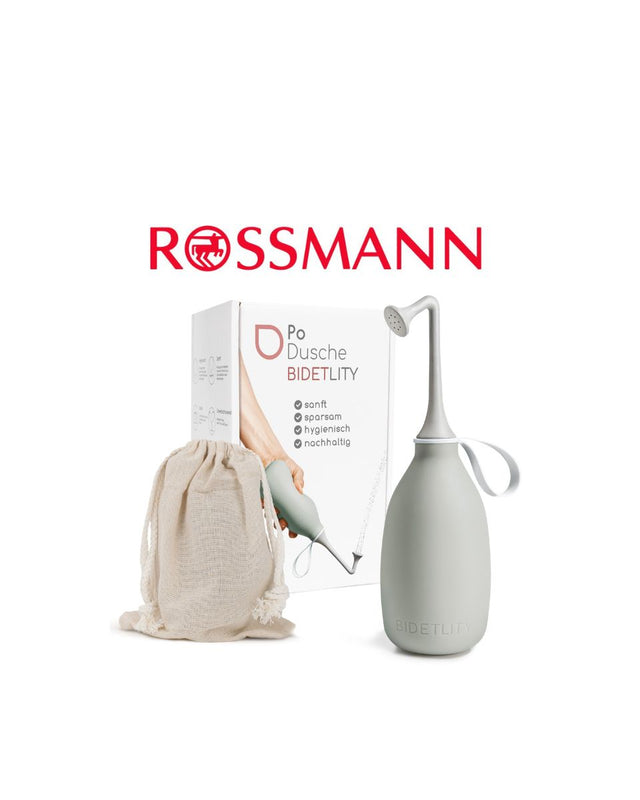
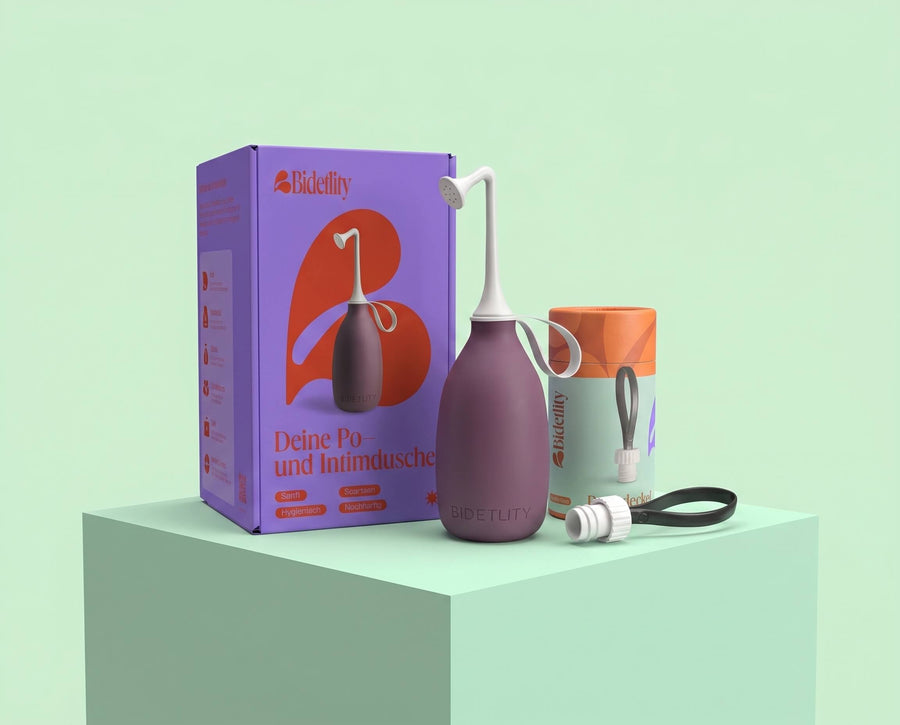
This is where Bidetlity comes in.
If you're Muslim, you probably have the same everyday struggle as most of us:
Bidetlity makes everyday life easier for us Muslims too – and with it, keeping to our rituals.
Bidetlity is:
Whatever the specific religious practice, water is an essential element for achieving both physical and spiritual cleansing. It is a symbol of purity and renewal, and it carries profound meaning in many cultures and religions all over the world.
In Greece, Turkey, Portugal, Bulgaria, North Macedonia, Montenegro, Ukraine, and on many Spanish islands, used toilet paper goes in the bin next to...
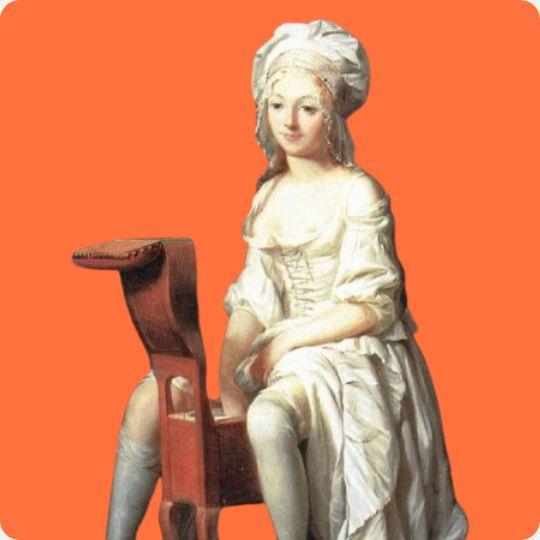
"Bidet" means "little horse" in French, because people used to sit on it the way you'd sit in a saddle. From 17th-century luxury furniture to Italy...
In Greece, Turkey, Portugal, Bulgaria, North Macedonia, Montenegro, Ukraine, and on many Spanish islands, used toilet paper goes in the bin next to...

Discover our products and do the best business of your life.
One word usually does it. Or just tap something below.
Popular Quick answersOne word usually does it. Or just tap something below.
Popular Quick answers