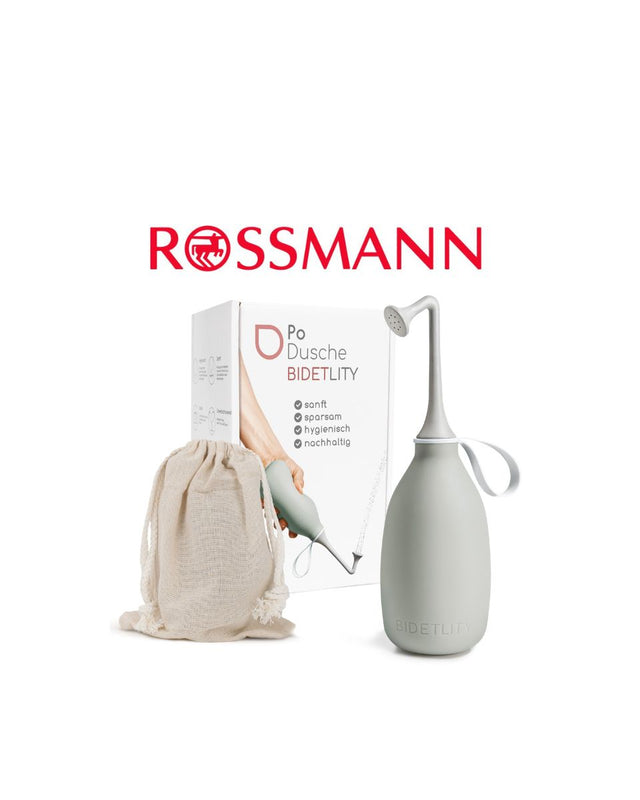




Just like everywhere else: residue has to go. The location doesn't change the mechanics.
On a plane, hygiene is considered limited. Little space, dry air, shared toilets. Intimate hygiene gets reduced to paper. Water is seen as impractical, unhygienic, or impossible. Discomfort is treated as unavoidable.
Elimination works no differently on a plane than on the ground. The body produces the same residue. Dry cabin air dries out the skin even more. Paper increases friction. Shared use doesn't change the need for clean removal. Here too, mechanical cleaning with water is the least burden on skin and mucous membranes. The limitation is logistical, not biological.
"It just isn't possible on a plane."
The body doesn't take a break.
"Paper has to do."
Friction still acts at 33,000 feet.
"Shared toilets are unhygienic."
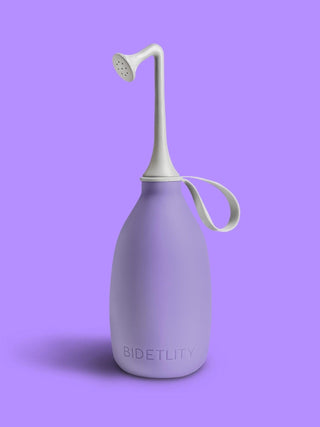
Contactless cleaning transfers nothing.
"You should avoid going there."
Holding it in increases pressure and strain.
Intimate hygiene isn't a question of comfort tied to place. It remains a functional necessity, even on a plane.

Discover our products and do the best business of your life.
One word usually does it. Or just tap something below.
Popular Quick answersOne word usually does it. Or just tap something below.
Popular Quick answers