







Mushy stool is usually not a sign of illness but a question of speed and water. The gut simply did not have enough time to draw water out of the stool.
Healthy stool is supposed to be firm and formed. Anything softer gets read as diarrhea or a disorder right away. So a lot of people treat every mushy consistency as an alarm – and are usually wrong.
The colon draws water out of the stool along the way. How firm it ends up depends on how much time it has to do that. When digestion moves faster – because of fiber, caffeine, fat, stress or a mild infection – more water stays in the stool, and it turns mushy. Mushy means soft, but still formed. That is what separates it from diarrhea, which is liquid and frequent.
Consistency is created in the gut, not on the plate – the same meal can produce firm stool today and mushy stool tomorrow.
“Mushy stool means something is wrong with your gut.”
Usually not. Consistency shifts from day to day with food, drink, speed and stress.
“It's the same thing as diarrhea.”
No. Diarrhea is liquid and frequent. Mushy stool is soft, but formed.
“Drinking less makes it firmer.”
Wrong. The water in stool comes from the gut, not from your glass. Drinking less dries you out, not your stool.
“If it stays that way, it doesn't matter.”
Not quite. A single mushy day is normal. Weeks of mushy stool, plus blood, weight loss or having to go at night – that belongs in a doctor's office.
Mushy stool is a question of speed first, not a diagnosis. Only when it lasts for weeks or comes with other symptoms does everyday life turn into a case for your doctor.

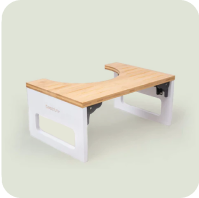
From butt shower to toilet stool – discover our versatile range for the New Normal in your bathroom. No taboos, just a whole lot of comfort.
One word usually does it. Or just tap something below.
Popular Quick answersOne word usually does it. Or just tap something below.
Popular Quick answers