










No. Even “eco-friendly” versions are still single-use products with a lot of effort for very brief use.
Wet wipes seem small and harmless. One wipe, one swipe, gone.
What happens before – manufacturing, packaging, transport – and what follows after – trash or wastewater – is easy to ignore. Sustainability feels abstract here, because the product is so everyday.
Wet wipes are made of fibers, water, and additives that keep them shelf-stable. That takes raw materials, energy, chemicals, machines, packaging, and logistics.
After use, they’re waste. Even “biodegradable” or “flushable” wipes break down slowly and burden waste or wastewater systems.
Sustainable would be a solution that works without a single-use product. Wet wipes don’t do that.
“There are sustainable wet wipes”
There are less problematic ones. Sustainable in the true sense, they are not.
“One wipe makes no difference”
It does. Precisely because they’re used daily and by the millions.
“Paper is just as bad, though”
Paper is single-use too. Wet wipes come with chemicals and packaging on top.
“Without wet wipes it’s unhygienic”
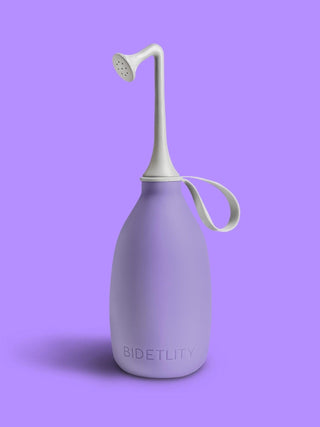
No. Water cleans without a product and without waste.
Wet wipes solve a feeling of cleanliness, not a sustainability problem. Whoever uses less is usually closer to the solution than any new label is.
Take a look at what you actually use wet wipes for. If water does the same job, leaving them out is the simplest step.

Discover our products and do the best business of your life.
One word usually does it. Or just tap something below.
Popular Quick answersOne word usually does it. Or just tap something below.
Popular Quick answers