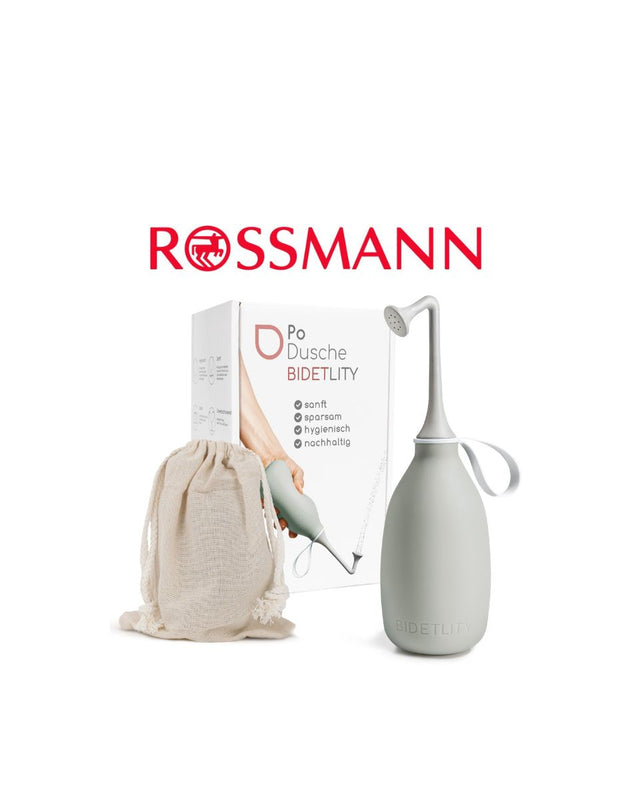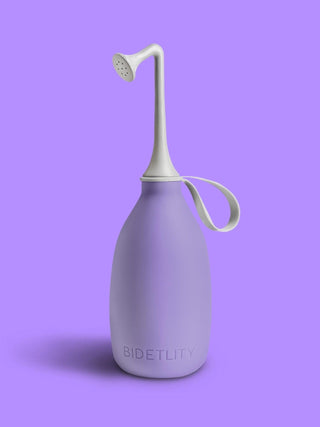

 Mobile Butt ShowerHome & on the go
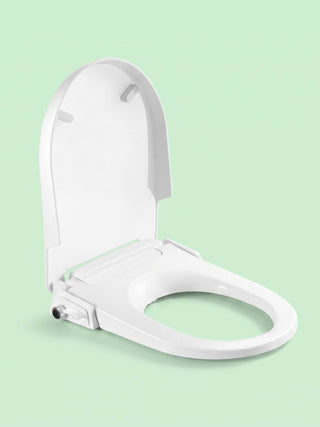
 New StandardBidet seat, no power
 Bidetlity DeluxeElectric bidet seat
 Toilet StoolLess pushing
 Intimate CareFor body & down there
 SetsSave up to 37%
 AccessoriesWall hooks, shower heads, filters & more.
 Gift cardGift a clean bottom.
 SaleReduced & B-stock
Answers to questions you only dare to Google at night.
 Bidetlity New Standard or Deluxe: Which Bidet Seat Is Right for You?
See all blog posts
“Bidet” is French, and it means pony. The name came from how you sat on it: astride, as you would on a small horse. Eighteenth century, and originally a joke.
The word sounds technical, almost medical – something you would find in a plumbing catalogue. It is the opposite: a joke about the position people sat in.
In French, a bidet is a small horse, a pony. The word comes from the Old French bider, to trot. When a low basin for washing intimate areas appeared in early eighteenth-century Paris, people sat astride it – one leg either side. The resemblance was obvious, and the name stuck. The earliest known written mention of it as a piece of furniture dates from 1710.
In German the stress falls on the last syllable, “bi-DEH,” and the final t stays silent. Because the spelling and the sound don't match, plenty of people type “Bidee” into a search box. They mean the same thing.
Other languages took the word and adapted it: bidè in Italy, bidé in Spain and Portugal. English keeps the French spelling and says “bih-DAY.” In Japan the function usually goes by Washlet – which is not a word but a brand name, introduced in 1980.
German never settled on a word of its own. “Sitzwaschbecken” existed, but it read like a catalogue entry and died accordingly.
“Bidet is English.”
No, French. English took it over unchanged.
“The word comes from bidon, the canister.”
No. It comes from bider, to trot – by way of the pony.
“A Washlet is something different from a bidet.”
It is a shower toilet, and Washlet is the brand name for one. Like Hoover for a vacuum cleaner.
“A butt shower isn't a bidet.”
It is the same function in a different design. You simply no longer sit astride it – which is why the pony comparison doesn't hold up any more.
A piece of furniture named after a pony, because that is how people sat on it. Knowing that also explains why the modern designs go by other names: the position that gave the thing its name is gone.

Discover our products and do the best business of your life.
One word usually does it. Or just tap something below.
Popular Quick answersOne word usually does it. Or just tap something below.
Popular Quick answers