







Midwife Kathrin has been supporting pregnant women and new mothers for over 40 years. In this interview, she talks about what her daily work looks like, why the numbers don't add up for freelance midwifery, and how she rates water instead of paper during the postpartum period.
A midwife for over 40 years, she cares for pregnant women and new mothers and runs the online shop Hebammenkonsum.
Thank you so much for taking the time to give us an interview, Kathrin. We're really looking forward to learning more about your daily life as a midwife and the experiences you've had.
My pleasure, I'm happy to share my experiences with you.
Can you give us an insight into your everyday life as a midwife? What challenges do you face as a midwife that you'd like to talk about?
My day is shaped above all by the needs of the women in my care, whether they're pregnant or in the postpartum period.
Some days I do postpartum home visits, other days are for appointments at the practice, and then there are days that simply follow whatever care the women need. Births, unfortunately, can't be scheduled, and every now and then they throw the whole calendar into disarray.
At the moment I attend 20 births a year, compared to earlier times when I was present at more than 100 births a year. My focus has shifted over time and now lies mainly in prenatal and postpartum care. A large part of the remaining time goes into our online shop "Hebammenkonsum" and looking after our Instagram profile. Since most babies are born at night and I spent 28 straight years as a freelance midwife on constant call for births, it's time to put myself in the spotlight a little more again.
Fewer births, however, mean the same insurance premiums for me. That's why I'll most likely be saying goodbye to obstetrics in the near future. Even with the state subsidy, the costs are a huge challenge for midwives. From a financial point of view, it's difficult to pay around €13,000 for insurance and receive just under €196 gross for a birth in return. If, like me, you only attend 20 births, the math simply doesn't add up. Something urgently needs to change, either on the insurance side or with the flat rates paid per birth.
A working life that barely allows for planning – and math that doesn't add up. How did the idea for Hebammenkonsum come about, and how has the shop developed since it was founded?
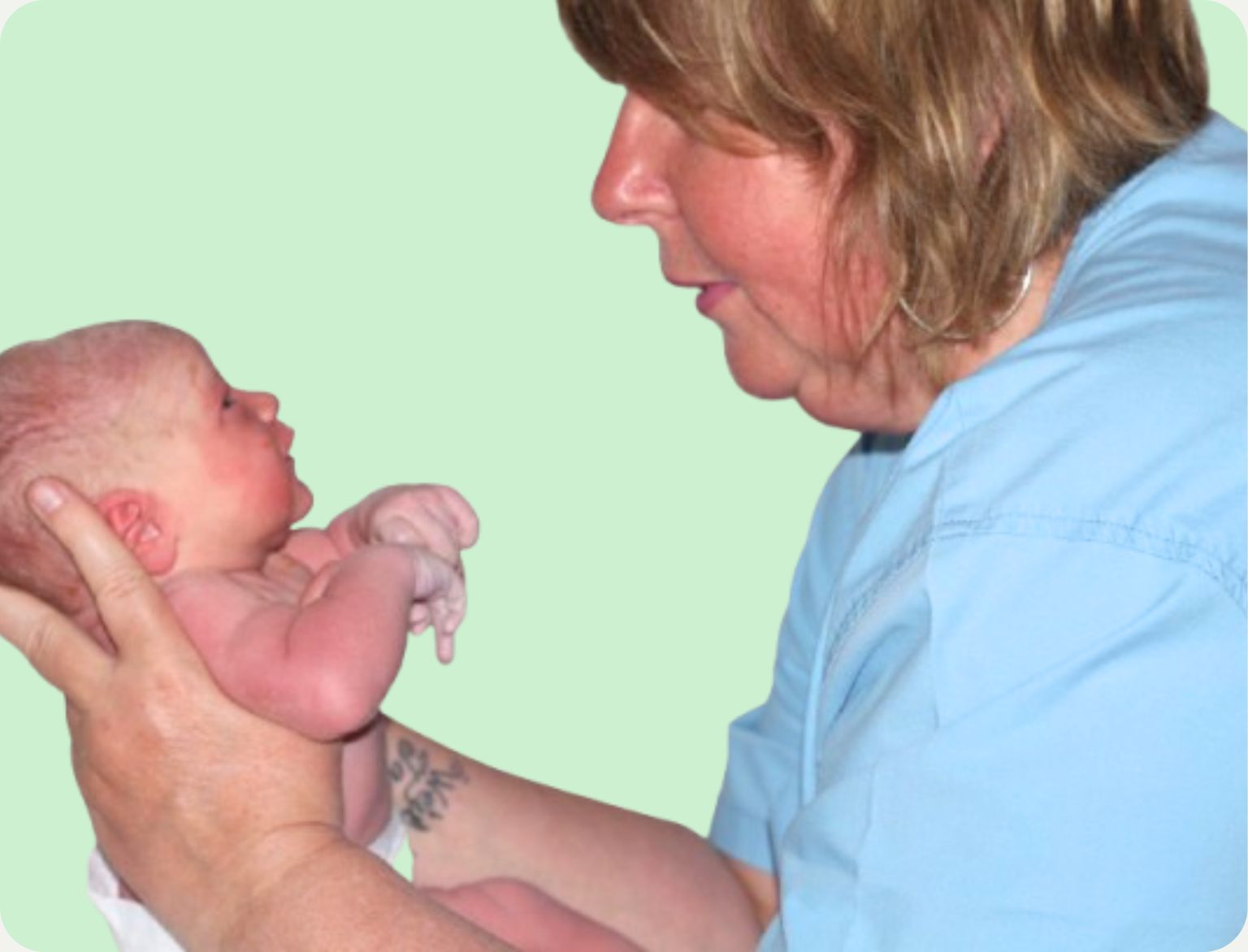
I've been connected to the midwifery profession for 42 years now, and in that time I've gotten to know a lot of products. Some of them have become very dear to me, and I recommended them to my women again and again. Out of these positive experiences came the idea of opening a shop with exactly those products. The advantage: everything can be ordered together on one platform instead of having to be tracked down laboriously on different sites. My husband took care of the implementation, and the shop has now been around for 12 years. At first we weren't noticed right away, but thanks to our daughter's decision to become active on Instagram, things developed very positively and made our shop more visible. Today we're very happy about that.
It's lovely to see how personal experience and passion can turn into a successful project. On your Instagram profile you cover very specific topics around birth and the postpartum period. How do you choose the content for your posts?
The content of my posts follows whatever comes up in my everyday work as a midwife. Whether it's prenatal care, postpartum care or attending a birth – the topics that strike me as important are the ones I want to report on and explain. And if I'm allowed to take photos as well, that's ideal, of course, because then I can show directly what certain things look like, or why particular situations should be taken seriously – or don't need to be.
Social media plays a big role these days. What role does it play in your work, and how do you use it to educate and support your followers?
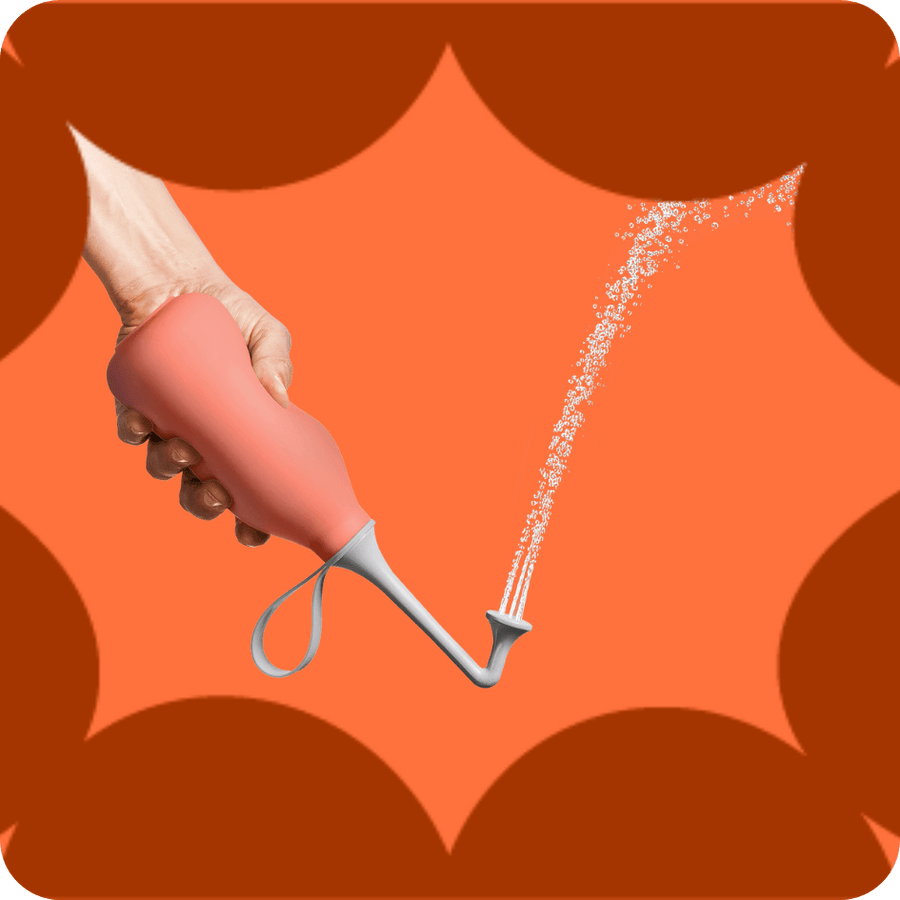
I think social media plays a big role for this generation in particular. I definitely notice that in my work – many women rely on what's written on social media. That's exactly how I see my job on Instagram: to explain things more precisely, point out important topics and talk about the aspects that are relevant during pregnancy and postpartum care. Women don't always manage to find a midwife and sometimes have to gather information on their own. That's another reason I provide input, so that women can benefit from it. And we as a shop use social media to be seen and found, especially because the younger generation spends a lot of time there and we want to make our products, like the butt shower, better known.
That's really important, especially for women who can't find a midwife. To finish, we'd love to know: how helpful do you think our butt shower is for the women in your care?
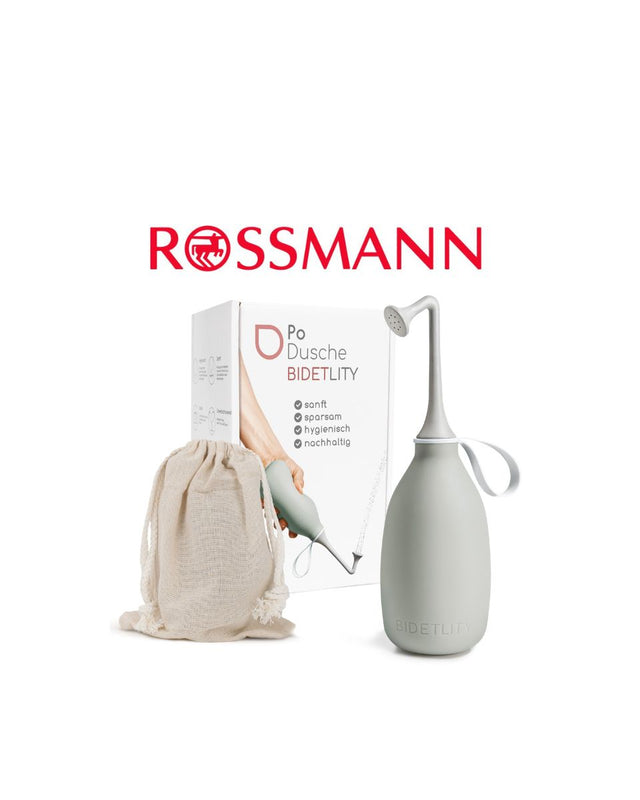
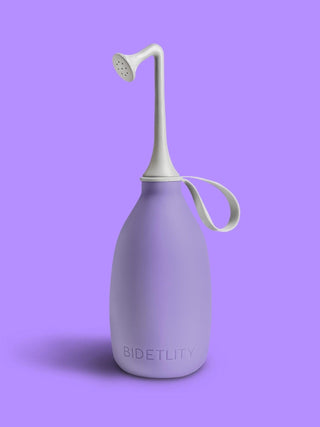
The butt shower is definitely an important must-have for the time after birth. One positive aspect of a butt shower like the Bidetlity during the postpartum period is the gentle, effective cleansing of the sensitive intimate area after giving birth. After a delivery, the intimate area is often irritated and sensitive, and conventional toilet paper can be uncomfortable or even painful. A butt shower allows for pain-free, thorough cleansing and can help prevent infections and support healing. On top of that, it makes it possible to feel clean and comfortable after every trip to the toilet – which matters especially during the recovery phase after birth.
Editorial note: This is Kathrin's personal assessment from her own practice. A butt shower cleans externally and is no substitute for wound care or postpartum follow-up. If you experience bleeding, severe pain, fever or persistent symptoms, talk to your midwife or doctor.
Thank you so much, Kathrin, for your insights and your time. We're sure that many women will benefit from your experience and your tips.

Postpartum bleeding lasts several weeks — for many women around four to six — and changes from bright red to brownish to whitish. Here's what phase...

The pelvic floor holds your organs in place, controls bladder and bowel, and plays a part in pleasure. During pregnancy it carries everything; duri...
Itching, whitish discharge, burning: vaginal yeast infections are common and easily treatable. Where they come from, what throws the vaginal flora ...

Discover our products and do the best business of your life.
One word usually does it. Or just tap something below.
Popular Quick answersOne word usually does it. Or just tap something below.
Popular Quick answers