



Anal fissures are painful tears in the skin of the anus that often fail to heal due to high sphincter pressure. Find out why water instead of paper causes less friction when you have an anal fissure — and what else helps.
This is a tear in the anal skin and mucous membrane that subsequently becomes chronically inflamed, forming a narrow ulcer that keeps reopening and won't heal. These tears are most often noticed at the back of the anus (toward the tailbone). As a result, high pressure can build up in the sphincter muscle, which sits beneath the mucous membrane. The reason the wound doesn't heal lies in poor blood flow, which in turn is caused by increased resting pressure in the sphincter. On the outside, a skin fold often forms at the fissure.
A fissure can also develop after anal sex, from inserted objects, or through infections. Feel free to say exactly what happened at your appointment – the treatment depends on it. There's nothing to keep quiet about here.
The main complaint is sharp, burning pain during bowel movements. Occasionally, the pain is also very noticeable without a bowel movement and leads to extremely painful anal spasms. These spasms further prevent the fissure from healing. During a bowel movement, the ulcer tears open and may bleed. Itching sometimes occurs as well.
How an anal fissure is treated is decided by a doctor, usually in proctology. Common approaches include measures to soften the stool, ointments, and, in stubborn cases, a procedure. If you have bleeding, severe pain, fever, or persistent symptoms, it's better to see a doctor sooner rather than later.
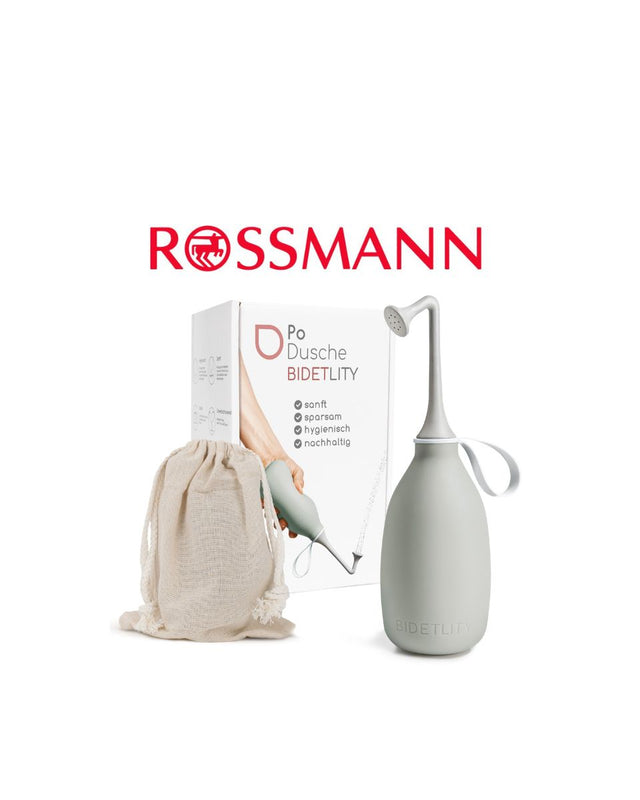
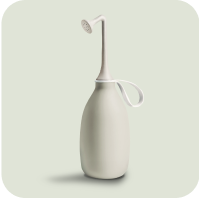
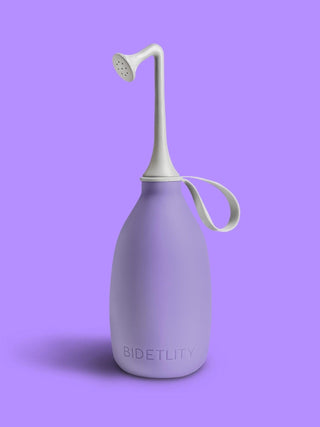
Many people find it more pleasant to rinse the outside of the anus with water instead of rubbing with paper. That's exactly what Bidetlity is for: water instead of friction, no pressure on irritated skin. With a fissure, dry paper is often painful and irritates the skin even more. A butt shower with adjustable water temperature and intensity lets you tailor cleaning to your individual needs and sensitivities.
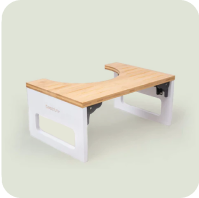
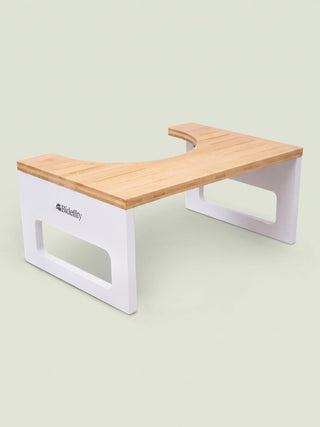
A toilet stool can help, too. In a squatting position, the angle at the rectum straightens out, and many people need to push less as a result. That can make bowel movements more comfortable when you have a fissure, but it's no substitute for treatment.
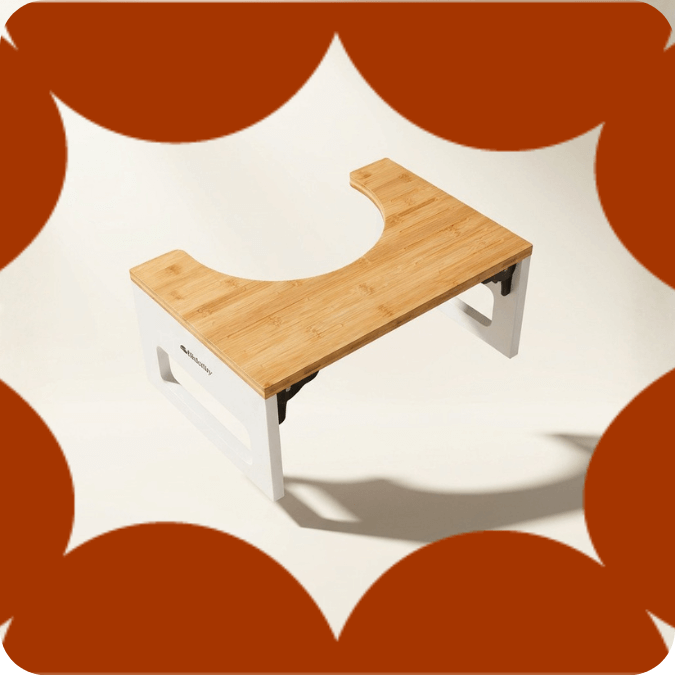
Diet matters, but the position you sit in on the toilet is almost always overlooked. How a toilet stool straightens out the rectum, why that means ...

Chili is fun going in and fire coming out: capsaicin stays active all the way to the end and meets very sensitive skin. Why paper makes the burning...
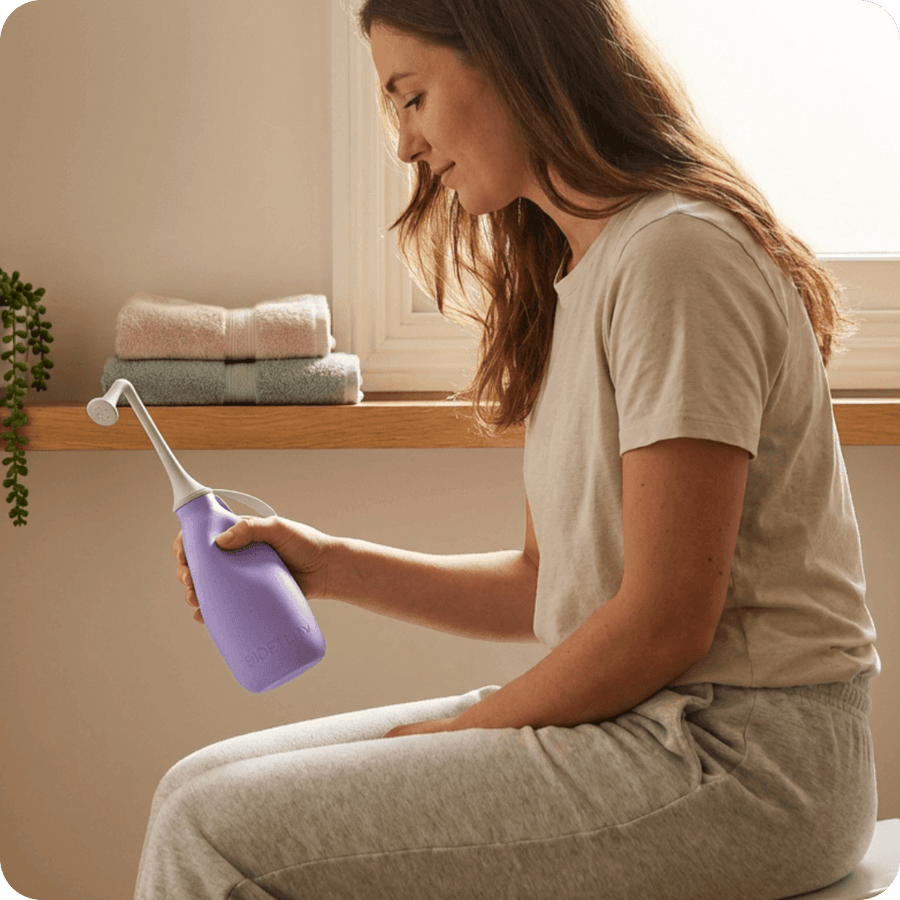
Diarrhea and gastrointestinal issues put a strain not only on your gut, but also on your skin. Gentle intimate hygiene with water can help you avoi...

Discover our products and do the best business of your life.
One word usually does it. Or just tap something below.
Popular Quick answersOne word usually does it. Or just tap something below.
Popular Quick answers